Experience Freshness: Roast-to-Cup Coffee Philosophy Explained
- Peak Roast

- May 1
- 4 min read
Coffee lovers around the world often seek the freshest cup possible. The journey from roast to cup is not just a process; it’s a philosophy that emphasizes quality, flavor, and the overall experience of enjoying coffee. In this blog post, we will explore the intricacies of the roast-to-cup philosophy, its significance, and how it can transform your coffee experience.

Understanding the Roast-to-Cup Philosophy
The roast-to-cup philosophy revolves around the idea that the freshness of coffee significantly impacts its flavor and aroma. This approach emphasizes the importance of each step in the coffee-making process, from sourcing the beans to brewing the perfect cup.
The Importance of Freshness
Freshness is crucial in coffee because it directly affects the taste. Coffee beans begin to lose their flavor shortly after roasting. Here are some key points to consider:
Flavor Degradation: Once roasted, coffee beans start to oxidize, leading to a loss of essential oils and flavors. Ideally, coffee should be consumed within two weeks of roasting for optimal taste.
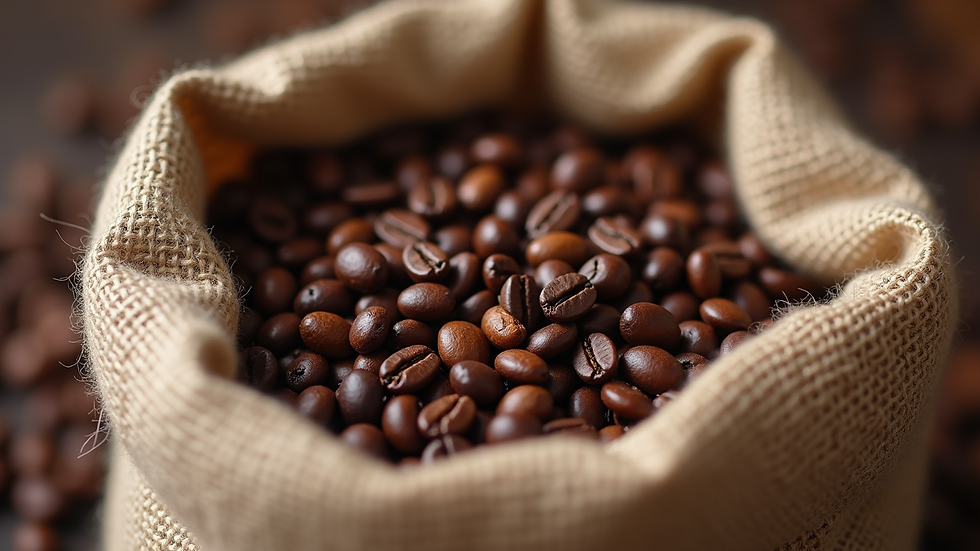
Aroma: Freshly roasted coffee beans emit a rich aroma that enhances the overall experience. The scent of coffee can evoke feelings of comfort and warmth, making the drinking experience more enjoyable.
Brewing Impact: Fresh coffee grounds yield better extraction during brewing, resulting in a more flavorful cup. The brewing method also plays a role in how the flavors are released.
The Journey from Bean to Brew
To fully appreciate the roast-to-cup philosophy, it’s essential to understand the journey of coffee beans. This journey can be broken down into several key stages:
Sourcing Quality Beans
The first step in the roast-to-cup process is sourcing high-quality coffee beans. This involves:
Origin: Different regions produce beans with distinct flavor profiles. For example, Ethiopian beans are often fruity and floral, while Colombian beans tend to be nutty and chocolatey.
Farming Practices: Sustainable and ethical farming practices contribute to the quality of the beans. Look for certifications like Fair Trade or Rainforest Alliance to ensure responsible sourcing.
Roasting Process
Roasting is a critical step that transforms green coffee beans into the aromatic, brown beans we recognize. The roasting process involves:
Temperature Control: Roasters must carefully monitor temperature to achieve the desired roast level, whether light, medium, or dark. Each level brings out different flavors.
Time Management: The duration of the roast affects the final taste. A shorter roast may retain more acidity, while a longer roast can produce a bolder flavor.
Grinding the Beans
Once roasted, the beans must be ground to prepare for brewing. The grind size can significantly impact the extraction process:
Coarse Grind: Best for methods like French press, where longer steeping times are used.
Medium Grind: Suitable for drip coffee makers and pour-over methods.
Fine Grind: Ideal for espresso machines, where quick extraction is necessary.
Brewing Techniques
The brewing method you choose can enhance or diminish the flavors of your coffee. Here are some popular brewing techniques:
Pour-Over: This method allows for precise control over water flow and extraction time, resulting in a clean and flavorful cup.
French Press: The immersion brewing method extracts oils and flavors, producing a rich and full-bodied coffee.
Espresso: This method uses pressure to extract concentrated flavors, resulting in a bold and intense shot of coffee.
The Role of Water Quality
Water quality is often overlooked but plays a vital role in the coffee-making process. Here’s why:
Mineral Content: The minerals in water can enhance or mute flavors. Ideally, water should have a balanced mineral content for optimal extraction.
Temperature: The temperature of the water affects the extraction process. Water that is too hot can scorch the coffee, while water that is too cold may result in under-extraction.
The Experience of Enjoying Coffee
The roast-to-cup philosophy is not just about the technical aspects; it’s also about the experience of enjoying coffee. Here are some ways to enhance your coffee-drinking experience:
Mindfulness in Coffee Drinking
Taking the time to savor your coffee can elevate the experience. Consider these tips:
Slow Down: Instead of rushing through your cup, take a moment to appreciate the aroma, flavor, and warmth.
Engage Your Senses: Pay attention to the different flavors and aromas. Try to identify notes like chocolate, fruit, or nutty undertones.
Pairing Coffee with Food
Coffee can be paired with various foods to enhance the overall experience. Here are some ideas:
Breakfast: Pair a light roast with pastries or fruit for a refreshing start to your day.
Dessert: A dark roast complements chocolate desserts beautifully, creating a rich flavor combination.
Conclusion
The roast-to-cup philosophy is a journey that emphasizes the importance of freshness, quality, and the overall experience of enjoying coffee. By understanding each step in the process, from sourcing beans to brewing techniques, you can elevate your coffee experience. Remember, the next time you brew a cup, take a moment to appreciate the journey your coffee has taken. Embrace the freshness and savor every sip.
By adopting this philosophy, you not only enhance your own coffee experience but also support sustainable practices that benefit coffee farmers and the environment. So, go ahead, explore different beans, experiment with brewing methods, and enjoy the rich world of coffee that awaits you.

Comments